Shipping a container from Australia to Ireland (Dublin port) costs roughly €7,000 to €15,000 for a 20ft container and €14,000 to €19,000 for a 40ft (prices are indicative, and subject to change as freight rates change all the time), door to door from Sydney or Melbourne. A shared container suits smaller moves, from about €4,000. Ocean transit runs 12 to 16 weeks depending on the port, so allow 14 to 18 weeks from collection to delivery.
Most people shipping a container home from Australia have been there a long time. The question quickly becomes how much of it comes home, in what size box, and what it all costs once Irish customs are done with it.
This guide covers the container itself: choosing the size, what it costs from each port, how long it takes, what can't go in, and what happens when it lands at Dublin Port. For the wider move (superannuation, healthcare, pets, where returning families settle), see our full guide to moving to Ireland from Australia.
Do you need a full container, or can you share one?
It comes down to volume. Your survey gives you a figure in cubic metres, and that figure decides between three options.
Shared container (LCL / part-load), where you pay for the cubic metres you use, fits a Studio to 2-bedroom apartment.
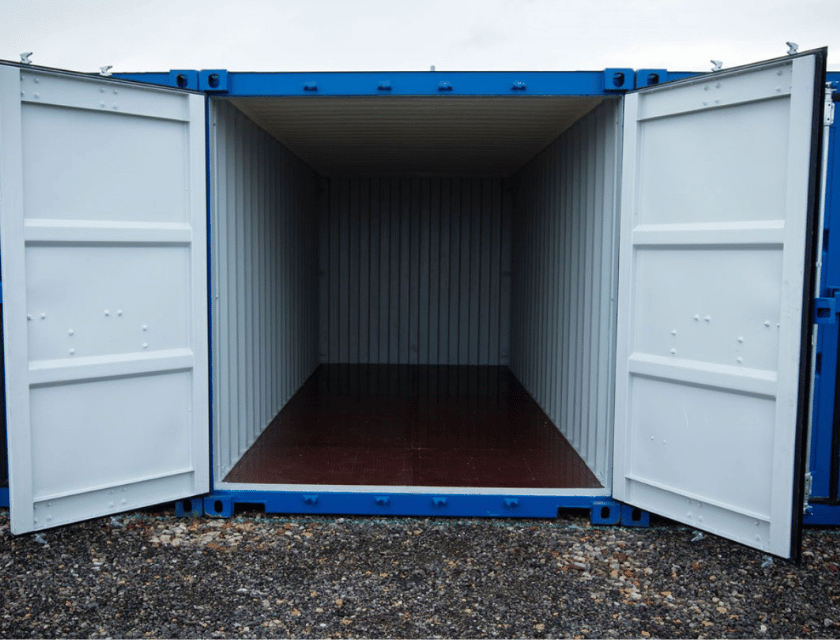
A 20ft container (FCL) is about 28 to 30 cubic metres and fits a 2 to 3-bedroom home contents.
A 40ft container (FCL) is about 55 to 60 cubic metres and fits a 4+ bedroom home, or 3-bed plus a car.
A shared container, also called LCL (less than container load), puts your goods in a container with other households heading the same way. You pay only for your space. The trade-off is time: the container doesn't sail until it's full, so a shared shipment can add 1 to 3 weeks at the Australian end.
A full container, or FCL, is yours alone. It's loaded at your door, sealed, and not opened again until Irish customs or your new front door. That means fewer handling points and a fixed sailing date.
The crossover point is usually around 18 to 20 cubic metres. Above that, a 20ft container often costs about the same as shared space and arrives sooner. After 10 or more years in Australia, a lot of families find they're closer to a 40ft than they expected, especially once outdoor furniture, bikes, and the garage are counted.
How much does it cost to ship a container from Australia to Ireland?
These are door-to-door ranges from Sydney or Melbourne, including collection, export documentation, ocean freight, Dublin Port handling, Transfer of Residence customs clearance, and delivery in Dublin (prices are indicative, and subject to change as freight rates change all the time).
For Shared Container (LCL):
Studio/1-Bed: €4,000 – €5,500
2-bed apartment: €5,500 – €8,000
3-bed house: €7,500 – €11,000
4+bed house: €10,000 – €15,000
For 20FT Container:
2-bed apartment: €7,000 – €9,500
3-bed house: €9,000 – €12,500
4+bed house: €10,000 – €15,000
For 40FT Container:
4+bed house: €14,000 – €19,000
Four things push a quote up or down. Packing is the first: a full professional pack on a 3-bed house adds a few days of labour at the Australian end. Access is the second, since a steep driveway or a narrow street may need a side-loader truck or a shuttle vehicle to bring goods to the container. A car takes space and adds its own handling. And marine insurance is priced as a percentage of the value you declare, so it's worth insuring at replacement value in Ireland, not what the items would sell for second-hand.
We give a fixed quote based on the surveyed volume. The price we quote is the price you pay. Contact us at 045874498 to get a fixed quote.
How long does a container take from Australia to Ireland?
Sea transit depends on your departure port. Add about 1 to 2 weeks at the start for packing, loading, and export paperwork, and about a week at the end for customs and delivery.
For Sydney, Melbourne or Brisbane, the Ocean transit to Dublin takes anywhere from 12 to 16 weeks. For Perth (Fremantle), add another 2 weeks to the transit time.
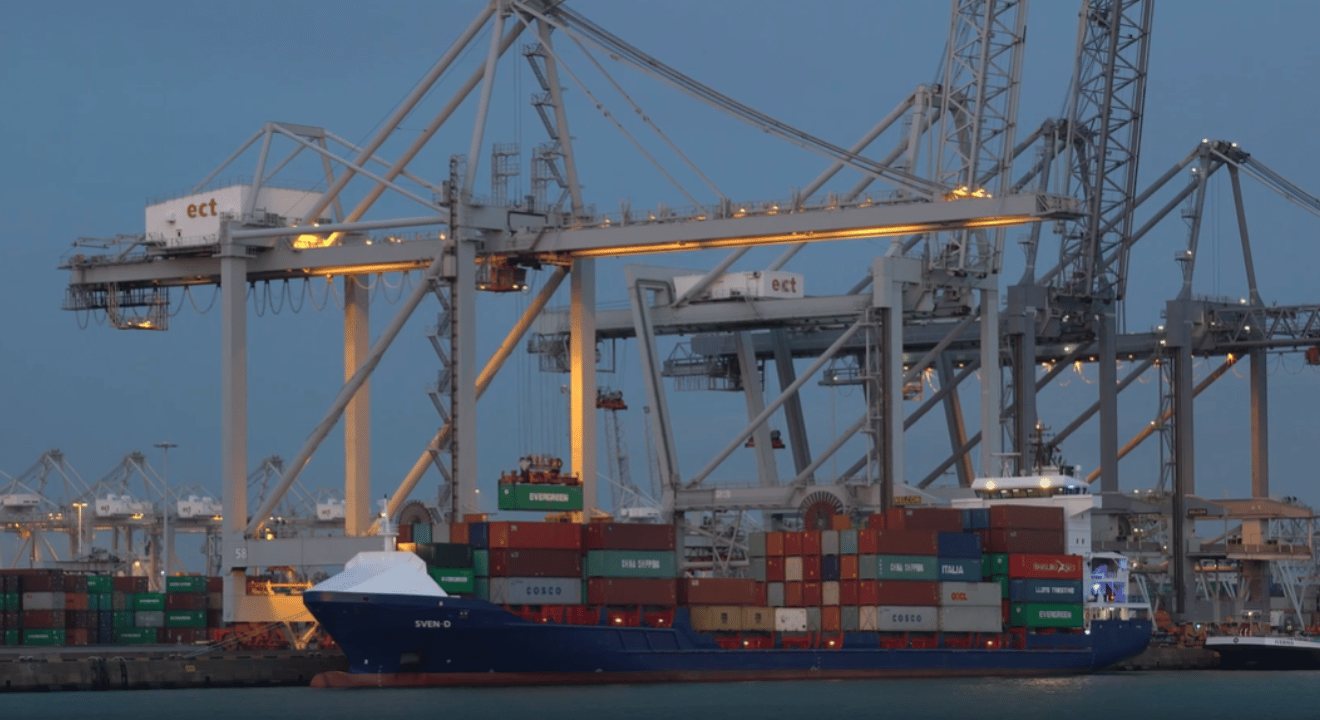
Most containers tranship at a hub port such as Singapore or Colombo, then again in northern Europe, before the final feeder leg into Dublin. Each transhipment is a chance for a delay, which is why the ranges are wide.
The practical rule: book your survey at least 16 to 18 weeks before you want the container delivered in Ireland. Most people fly home first and live out of suitcases for two months, so plan what goes in your luggage and what goes by air freight. Air freight for a few priority boxes from Sydney or Melbourne to Dublin takes 7 to 10 days.
What happens on collection day in Australia?
For a full container, the container arrives on a truck and is loaded outside your home. The packing crew usually comes a day or two before for a large house, wrapping furniture and boxing everything else.
Every box and item gets a number and goes on a written inventory. That inventory matters twice: it's the basis for your insurance, and it's the document Irish customs works from when your Transfer of Residence claim is assessed. Keep your copy.
Once loading is finished, the container is sealed. You'll get the seal number, and it's checked against the paperwork when the container is opened in Ireland.
Our FIDI partner in Australia handles the export documentation at that end. You don't need an export permit for ordinary household goods, but cars, firearms, and some cultural items have their own rules, so tell us about them at the survey.
What can't go in a container to Ireland?
Ireland applies EU import rules, and a few categories catch returning households every year.
Soil, plants, and seeds. Soil can't be imported from outside the EU, and plants need a phytosanitary certificate. Leave the pot plants behind. Clean garden tools, outdoor furniture, bikes, camping gear, golf clubs, and lawnmowers thoroughly, because Department of Agriculture inspectors can hold anything with soil on it.
Food. Meat and dairy products can't be brought into Ireland from outside the EU. Tinned goods and sealed dry goods are less of a problem, but a container is a poor place for food anyway.
Hazardous goods. Shipping lines won't carry gas bottles, petrol, paint, aerosols, pool chemicals, or most cleaning products. Drain the fuel from mowers and outboard engines before collection. E-bikes and large lithium batteries need to be declared at the survey, as some carriers restrict them.
Alcohol and tobacco. Transfer of Residence relief doesn't cover them beyond normal traveller allowances. A wine collection can be shipped, but Irish excise duty and VAT are payable on it.
Firearms. You need an Irish firearms certificate from An Garda Síochána before the firearm arrives. Start that early, as it takes time.
Can you ship your car in the same container?
Yes. A car fits in a 20ft container on its own, or at the door end of a 40ft with household goods packed behind it. Sharing a 40ft is often the most economical way to bring a car and a full house together.
Australian cars are right-hand drive, so they suit Irish roads. The cost to watch is Vehicle Registration Tax (VRT), which is charged on the car's Irish market value. You may get full relief from VRT under Transfer of Residence if you've owned and used the car abroad for at least six months, lived outside the EU for at least 12 months, and bring the car in within 12 months of your move.
The timing on arrival is strict. Revenue says to book an NCTS appointment within seven days of the car arriving and to register it within 30 days. Apply for the relief before you register, because if you register first, you pay the VRT.
Before collection, the car needs to be clean, including the underside and wheel arches (soil again), with a near-empty fuel tank and nothing stored inside it.
What happens when the container reaches Dublin Port?
Customs clearance starts before the ship arrives. Revenue asks for the Transfer of Residence application, form C&E 1076, with your supporting documents about two weeks before the goods land. AMC prepares and files this for you.
The relief brings your household goods in free of duty and VAT, provided you:
- lived outside the EU for at least 12 continuous months
- owned and used the goods for at least six months before the move
- import them between six months before and 12 months after your move date
Revenue can ask to inspect a container, and Department of Agriculture inspectors can check for soil or plant material. Most household containers clear within a few days. If paperwork is missing, the container sits at the port and storage charges build up daily, which is the main reason we file early.
One restriction to know about: for 12 months after import, you can't sell, lend, or hire out goods brought in under the relief without Revenue's permission. If you plan to sell furniture once you're settled, wait out the year.
Once cleared, we collect the container, unload it at your Irish address, and place furniture where you want it. If your house isn't ready, your goods go into our secure warehouse in Naas, Co. Kildare, and we deliver when you have keys.
What's worth shipping, and what should you sell before you leave?
Shipping is priced by space, so bulky items with low replacement cost are the ones to question.
Electrical appliances work in Ireland. Australia runs on 230V at 50Hz, the same as here, so TVs, lamps, and kitchen appliances only need a plug change from the Australian three-pin to the Irish three-pin. Large white goods are a different call: a fridge-freezer or washing machine takes up a lot of space, and Irish rentals often come with them.
Outdoor gear is the other big one. Barbecues, outdoor dining sets, and trampolines take up space and need careful cleaning to clear inspection. Plenty of families ship them anyway, but it's worth deciding on purpose, before the survey, so the quote reflects what's actually coming.
Things worth bringing: good furniture, anything sentimental or hard to replace, quality bikes and sports equipment (cleaned), and tools. Furniture prices in Ireland are high, and ToR relief means a decent sofa comes home duty-free (only if you have been living outside Ireland for more than 12 months).
FAQs
Q. Is it cheaper to share a container?
For smaller moves, yes. Under about 18 to 20 cubic metres, shared space (LCL) is usually cheaper than a full 20ft. Above that, a full container often costs about the same and arrives sooner because it doesn't wait for other shipments.
Q. Do I pay customs duty on my belongings coming from Australia?
Not if you qualify for Transfer of Residence relief. You need to have lived outside the EU for at least 12 months and owned the goods for at least six. AMC files form C&E 1076 with Revenue before your container lands.
Q. Can I put my car in the container with my furniture?
Yes, usually in a 40ft container with the car loaded first. You may qualify for VRT relief if you've owned the car for six months and lived abroad for 12. Book the NCTS appointment within seven days of arrival and register within 30.
Q. How long does shipping from Perth to Ireland take?
Ocean transit from Fremantle to Dublin is 14 to 18 weeks, the longest of any Australian port. Door to door, allow 16 to 20 weeks, and book at least 21 weeks before you need your goods in Ireland.
Q. What if my Irish house isn't ready when the container arrives?
We unload into our secure warehouse in Naas and deliver once you have a confirmed address. Mention it at booking so the storage period is in your quote.
Get started
AMC has been bringing Irish families home from Australia for over 25 years. We work with FIDI partners in Sydney, Melbourne, Brisbane, and Perth, handle your Transfer of Residence claim with Revenue, clear your container at Dublin Port, and deliver anywhere in Ireland. AMC is FIDI-accredited and FAIM-certified, standards held by fewer than 600 removal companies worldwide.
Start with a free video survey, booked at a time that suits Australian hours. We'll measure your volume, recommend shared, 20ft, or 40ft, and send a fixed quote.
Get a free pre-move survey here.